
Back-To-School Safety Reminders
As the new school year approaches, families often focus on supply lists, schedules, and after-school logistics. This season is also an important opportunity to revisit everyday safety habits that help keep children protected from the moment they leave home to the time they return at the end of the day.
Back-to-school safety involves far more than classroom routines. Whether children travel by foot, bike, bus, or car, each part of the day presents unique risks that families can help minimize with preparation and thoughtful planning. Taking time to review practical safety measures now can bring greater confidence and peace of mind throughout the school year.
Safe Habits Before the School Day Begins
The morning trip to school is a central part of a child’s daily routine, and reinforcing safe behaviors can make this transition smoother and more secure. Whether students walk, ride bikes, board the bus, or travel by car, having clear expectations helps ensure a safer start to the day.
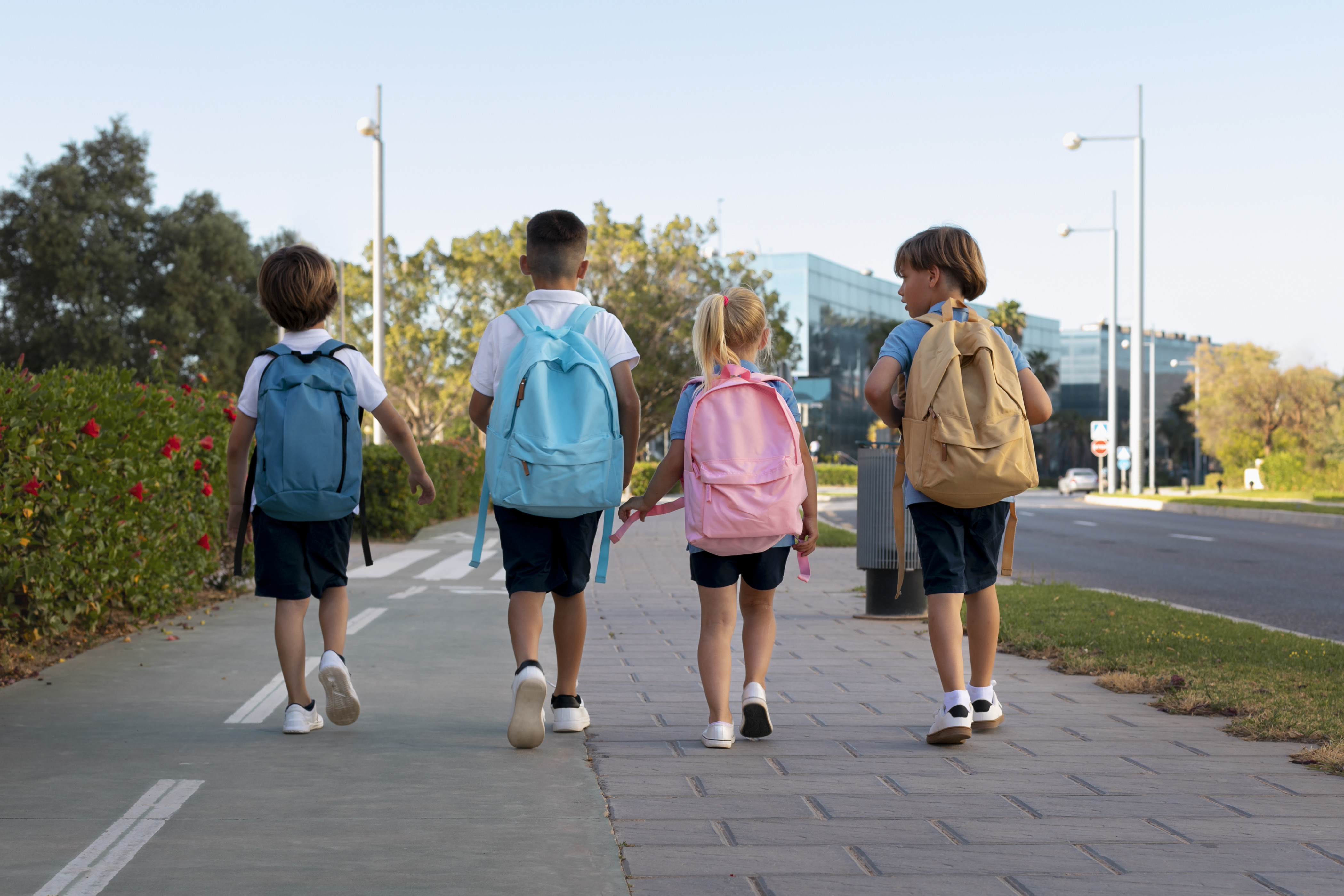
Children who walk to school should always use sidewalks when available and cross only at intersections or marked pedestrian crossings. While looking both ways remains essential, making eye contact with drivers adds another layer of assurance that they have been seen. Walking with a friend or sibling can also increase visibility and create a safer, more alert environment during the morning commute.
For students who bike to school, proper helmet use is crucial. Helmets must fit well and be securely fastened. Riders should remain on the right side of the roadway, moving with the flow of traffic rather than against it. Stopping completely before crossing streets and choosing low-traffic routes can make their trip more predictable and reduce potential hazards.
Families whose children take the bus should review safe bus stop behavior. Students should wait several feet back from the curb and only approach the bus once it has come to a complete stop. They should never cross closely in front of or behind the bus unless the driver acknowledges them first. These simple precautions help limit risks during crowded morning pick-up times.
Parents who drive their children to school contribute significantly to school zone safety. Following designated drop-off procedures and reducing speed in school areas are critical steps. Drivers must also avoid passing buses that are loading or unloading students—a habit that helps protect children who may be crossing unexpectedly.
Teen drivers may need reminders as they return to busier school-year roadways. Reviewing expectations around speed limits, limiting passengers, avoiding distractions, and always wearing seatbelts can help reinforce responsible driving habits.
Establishing Healthy and Safe Routines During the School Day
After children arrive at school, daily habits help support their safety and overall well-being for the rest of the day.
One important step is ensuring children know critical personal information. Students should be able to recite their full name, home address, and a parent or guardian’s phone number. Many families also choose to place a laminated card inside a backpack that lists emergency contacts and essential medical details. Having this information readily available can help school staff provide support more quickly if needed.
Good hygiene practices remain important during the school year. Since schools bring together large groups of students, germs can spread easily. Teaching children effective handwashing techniques and discouraging them from sharing food or drinks can help limit the spread of illness throughout classrooms and cafeterias.
Another important consideration is backpack safety. Overloaded or poorly fitted backpacks can place unnecessary strain on a child’s back and shoulders. Experts recommend that a backpack weigh no more than 15% of a child’s body weight. Using both shoulder straps helps distribute weight more evenly and reduces the risk of discomfort or injury.
Bullying prevention is another essential part of school safety. Families should maintain open conversations about recognizing bullying behavior, how to report concerns, and which trusted adults children can approach for help. When children know they have support, they are more likely to speak up if something feels wrong.
Labeling belongings also deserves attention. Instead of placing a child’s full name on the outside of bags or lunch boxes, using initials or placing labels inside items offers more privacy and reduces the likelihood of sharing personal information with strangers.
Safety Considerations for After-School Hours
Once classes end for the day, families often transition into a mix of homework, activities, and transportation arrangements. Planning ahead for these hours can help maintain consistency and safety.
Creating a predictable check-in routine is a helpful first step. Children who walk home or arrive before a parent can send a brief message or make a phone call when they get in safely. Some families also use locator apps or small GPS devices clipped to backpacks to provide added reassurance during the afternoon commute.
For children who spend time at home alone, establishing clear rules is important. Families should discuss expectations for locking doors, responding to phone calls, and how to handle unexpected visitors. Children should also understand what steps to take if an unfamiliar person approaches the home.
Families should continue talking about digital safety throughout the school year. Parents can remind children not to share personal details online, including their address, school name, or daily schedule. Encouraging children to discuss online interactions helps build trust and ensures they feel comfortable reporting anything that seems questionable or unsafe.
Emergency procedures are another valuable part of after-school preparedness. Children should know where to go during severe weather, where to meet outside in case of a fire, and which trusted adults they can contact when a parent or guardian is unavailable. Practicing these plans at home allows children to respond more calmly in an actual emergency.
The start of a new school year brings structure, opportunity, and excitement. Reviewing safety habits for the morning commute, school-day routines, and after-school hours can help families feel more prepared and confident. If you have questions about protecting your family or need guidance on legal issues related to personal injury or safety concerns, The Eisenberg Firm is always ready to assist.